Oct 2, 2024, 02:09 PM IST
9 Colours of Navratri and Their Significance
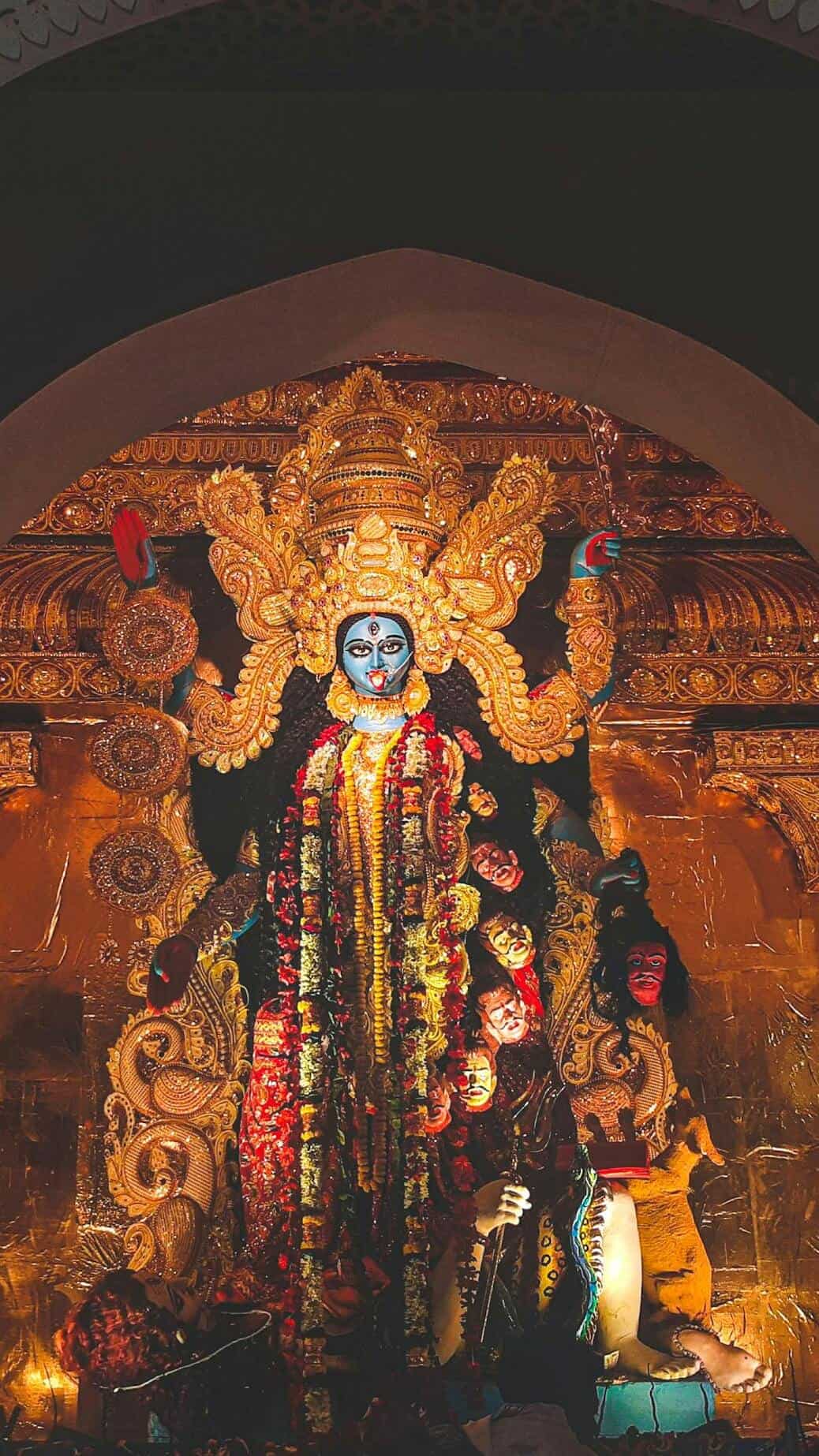
During Navratri, each of the nine days is associated with a specific colour, representing a unique quality and a form of Goddess Durga. These colours carry deep significance, and people often dress accordingly to honour the goddess.
Day 1 - Pratipada (Royal Blue)
Represents tranquillity and elegance. Royal Blue signifies wisdom and the divine energy of Goddess Shailputri.
Day 2 - Dwitiya (Yellow)
Represents joy and brightness. Yellow symbolizes happiness and warmth, reflecting the energy of Goddess Brahmacharini.
Day 3 - Tritiya (Green)
Represents growth, fertility, and prosperity. Green is associated with the lush nature of Goddess Chandraghanta.
Day 4 - Chaturthi (Grey)
Represents balance and strength. Grey signifies the calm yet powerful aura of Goddess Kushmanda.
Day 5 - Panchami (Orange)
Represents enthusiasm and warmth. Orange reflects the fiery energy of Goddess Skandamata.
Day 6 - Shashti (White)
Represents peace, purity, and serenity. White signifies the calm and nurturing qualities of Goddess Katyayani.
Day 7 - Saptami (Red)
Represents power, passion, and vigour. Red is the colour of the fierce and dynamic form of Goddess Kalaratri.
Day 8 - Ashtami (Sky Blue)
Represents inspiration and positive energy. Sky Blue symbolizes the divine grace and infinite nature of Goddess Mahagauri.
Day 9 - Navami (Pink)
Represents love, harmony, and beauty. Pink reflects the compassionate and loving form of Goddess Siddhidatri.